Drone Flies — Why They Look Like Bees
- Dec 17, 2025
- 3 min read
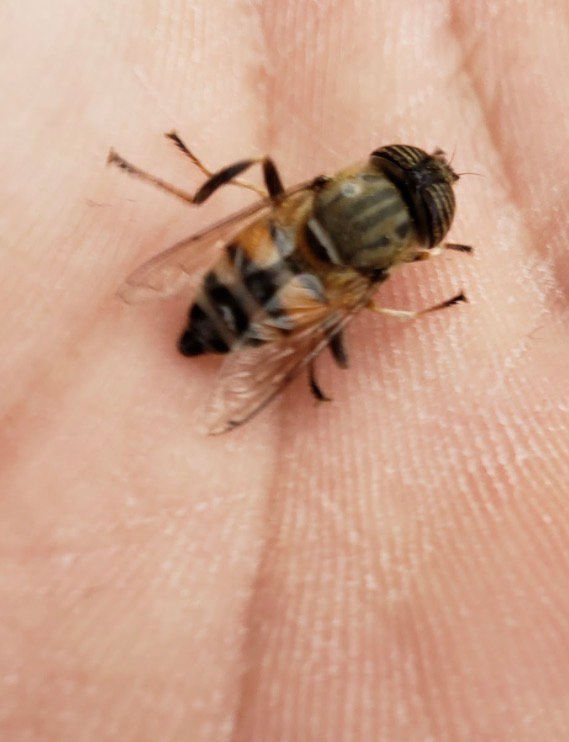
You’re outside, you hear a buzz, and you spot what looks like a chunky honeybee hovering in midair. Your first instinct is probably to back up. But chances are, you’re not looking at a bee at all. You’re looking at a drone fly.
Drone flies confuse a lot of homeowners in Southern California, especially in Rialto, Fontana, and San Bernardino. They look intimidating, but their behavior tells a very different story. Let’s talk about what drone flies are, why they look like bees, what attracts them, and when it’s time to deal with them.
Why Drone Flies Look Like Bees
Drone flies are masters of disguise. They mimic bees on purpose. The yellow and black coloring, the chunky body, and the loud buzzing all help them avoid predators. Birds and other animals think they sting, so they leave them alone.
The big difference is simple. Drone flies do not sting. They don’t bite either. They’re harmless to people and pets, even though they look scary up close.
A key giveaway is how they fly. Drone flies hover in one spot, dart suddenly, then hover again. Bees don’t do that.
What Drone Flies Are Attracted To
Drone flies are drawn to moisture and organic material. You’ll often see them around places like:
Standing water
Compost piles
Overwatered lawns
Drains or wet soil
Areas with decaying plant matter
Adult drone flies feed on nectar and pollen, which is why they hang around flowers and yards. The real issue comes from their larvae.
Drone fly larvae live in dirty water, sewage, and organic sludge. That means clogged drains, broken pipes, septic issues, or wet soil can turn into breeding areas fast.
Common Drone Fly Habits
Drone flies are most active during warm parts of the day. You’ll see them:
Hovering around patios and gardens
Resting near windows and doors
Flying around wet areas of the yard
They’re more noticeable in late spring, summer, and fall. During mild winters in Southern California, including areas like San Bernardino, Rialto and Fontana they can stay active much longer than expected.
If you’re seeing them repeatedly in the same spot, there’s usually a moisture problem nearby feeding the population.
Why You Don’t Want Them Hanging Around
Even though drone flies aren’t dangerous, they signal a bigger issue. Their presence often points to:
Excess moisture
Drain buildup
Plumbing leaks
Poor drainage
Ignoring them means ignoring the conditions that attract other pests like flies, mosquitoes, and drain pests. Once those conditions exist, more insects follow.
How to Get Rid of Drone Flies
The key is removing what attracts them, not chasing the flies themselves.
Start with:
Eliminating standing water
Fixing leaks and drainage issues
Cleaning drains and removing organic buildup
Reducing overwatering in lawns and gardens
If drone flies keep returning, a professional inspection is the fastest way to find the source. Treating larvae and correcting moisture problems stops the cycle.
Professional Drone Fly Control in Rialto, Fontana, and San Bernardino
At TruPest Solutions, we don’t guess. We identify where moisture and organic buildup exist and treat the source directly. That means fewer flies, fewer breeding areas, and fewer pest problems overall.
If you’re tired of seeing “bees” hovering around your yard or home and want to know what’s really going on, we can help.
Call 951-334-5288 or visit TruPestSolutions.com to schedule your inspection today.


