Comprehensive Pest Control Solutions in Fontana CA: Identify and Eliminate Common Infestations
- Jun 8
- 6 min read
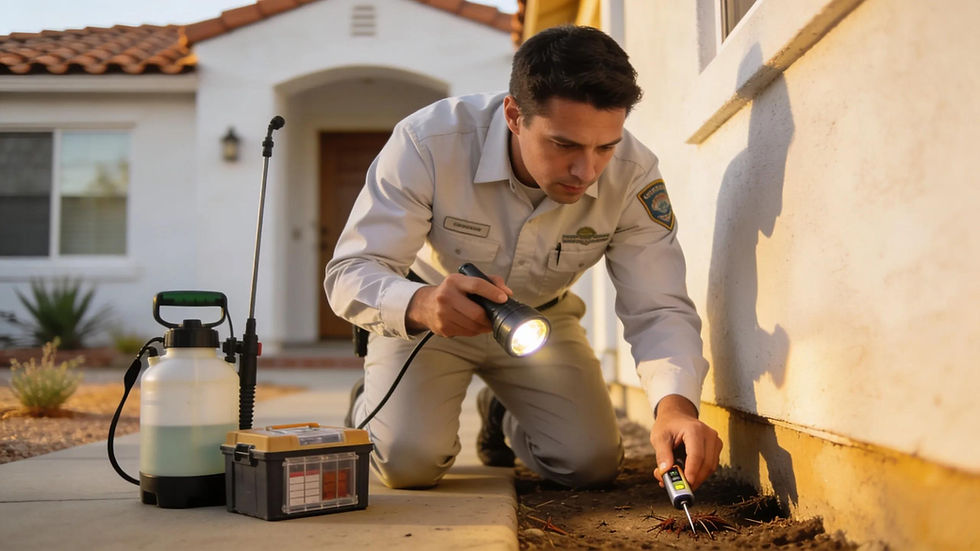
Pest infestations in Fontana, CA threaten both health and property. Ants, termites and rodents can disrupt daily life and cause structural damage when left unchecked. This guide explains locally tailored control methods, prevention steps and treatment options so homeowners can assess risk and take decisive action to protect their homes.
Pest Control Solutions
Effective pest control combines accurate inspection, targeted treatments and environmental care to resolve infestations with minimal collateral impact. TruPest Solutions, a local provider, offers professional inspections and customised treatment plans designed to improve control outcomes. For region-specific services, see "pest control solutions" for Fontana residents.
Professional Pest Control Services
Professional pest control follows a structured process: thorough inspections identify infestation signs, inform a focused plan and ensure treatments target the source rather than just symptoms. For example, the 5-Point Pest Control Service includes:
Detailed Inspections: Technicians assess the property for signs of pests like droppings and damage to structures.
Removal of Webs and Nests: Clearing spider webs and nests creates a less conducive environment for pests.
Power Spraying: Utilizing effective sprays reduces surface pests significantly.
Lawn Granulation: Treating lawns with granules targets pests in the soil.
Interior Treatments: Applying treatments within the home ensures comprehensive coverage.
These measures employ trained technicians and proven methods to reduce infestations and protect structures and occupants.
Targeted Treatments
Targeted treatments use professional-grade, pest-specific products applied to reach concealed nests and breeding sites. For example, Alpine WSG is used as a non-repellent that penetrates colonies and helps prevent reinfestation when applied strategically.
Comprehensive Coverage
A comprehensive approach treats visible infestations and inspects hidden activity zones. Evaluating both interior and exterior areas enables technicians to implement integrated solutions that extend protection and reduce the chance of recurrence.
Prevention Strategies
Preventing infestations depends on consistent, proactive measures that limit pest access and disrupt life cycles. TruPest Solutions emphasises homeowner actions that reduce risk and details coverage on their service areas page.
Pest management has shifted from routine insecticide schedules to needs-based, data-driven interventions that prioritise environmental and human health. Integrated Pest Management (IPM) relies on site-specific strategies, informed decision-making and effective information transfer to promote ecologically sound tactics.
Integrated Pest Management: Historical Context, Core Principles, and Contemporary ApplicationsIntegrated Pest Management (IPM) has gained policy prominence due to concerns about unsustainable pest control practices. Its foundations date to late 19th-century ecological principles for plant protection. Over time IPM moved from scheduled insecticide applications to needs-based interventions that emphasise reducing pesticide use and protecting human and environmental health. Successful IPM depends on validated, site-specific strategies and adoption by practitioners. Information dissemination and decision-support tools—now amplified by the internet—are essential for implementation, particularly in regions with limited resources. While pesticides continue to play a role in ensuring food security in some countries, IPM focuses on alternatives and ecologically sound tactics, and recent innovations have reinforced its importance for sustainable pest management.Integrated pest management: concept, opportunities and challenges, R Peshin, 2009
Sealing Entry Points

Sealing entry points is a primary defence. Inspect foundations, walls, utility penetrations, doors and windows for gaps and prioritise repairs that deny pests access to the structure.
Cracks and Gaps: Walls and foundations should be inspected for cracks.
Doors and Windows: Use weather stripping to close gaps around doors and windows.
Vents: Install screens in vents to prevent pests from entering.
Use durable materials such as caulk, steel wool and door sweeps to close vulnerabilities and select products appropriate to each gap type.
Limiting Food and Water Sources
Food and moisture attract pests; practical sanitation reduces these attractants and supports control efforts. Key measures include:
Kitchen Cleanliness: Regularly wipe down surfaces and avoid leaving out pet food.
Proper Food Storage: Store food in sealed containers to deter pests.
Addressing Leaks: Regularly check and repair plumbing leaks that provide necessary moisture for pests.
Reducing available food and water significantly lowers the likelihood of infestations and complements other control tactics.
Regular Maintenance
Ongoing pest management ensures emerging problems are detected and treated quickly. Routine maintenance helps protect investments and preserves a healthy living environment.
Monitoring and Adjustments
Continuous monitoring and adaptive treatment plans respond to seasonal shifts and local risk factors. Regular inspections allow technicians to modify tactics and timing—especially during warmer months when pest activity typically increases.
Treatment Options
Homeowners in Fontana can choose treatments matched to specific pests that combine immediate control with long-term prevention. TruPest Solutions provides a comprehensive suite of these services; visit TruPest Solutions for details.
Flea Control

Flea control requires addressing both indoor habitat and outdoor harborage. Effective strategies target all life stages to prevent reinfestation. Core actions include:
Indoor Treatment: Regularly vacuuming and using flea sprays on carpets and upholstery help eliminate fleas and their eggs.
Outdoor Yard Treatments: Utilizing insect growth regulators outdoors interrupts the flea life cycle, preventing reinfestation.
When applied together, these measures break the flea life cycle and reduce the risk of recurring infestations.
Rodent Control
Rodent control protects structural integrity and reduces health risks. Effective programs emphasise sanitation to remove food sources and the strategic use of traps and baits to address active populations.
Sanitation: Keeping areas clean reduces food sources for rodents.
Trapping: Setting up traps regularly can capture existing rodents, while using baits in burrows can prevent infestations.
Sealing entry points and installing exclusions are essential to prevent re-entry and ensure long-term control.
Mosquito Control
Mosquito management in Fontana focuses on eliminating breeding sites and treating adult populations. Deploying In2Care stations to target larvae alongside barrier treatments for adults provides comprehensive suppression. For comparable services in nearby areas, see pest control in San Bernardino.
Pest | Symptoms | Treatment |
Ants | Trails of ants, food damage | Baiting and residual sprays |
Termites | Hollow-sounding wood, droppings | Chemical barriers and bait stations |
Rodents | Droppings, nesting materials | Trapping and sealing entry points |
The table summarises common pests, typical indicators and recommended treatments to help homeowners recognise issues and select appropriate responses.
Recognising species-specific behaviours—such as the tawny crazy ant's erratic movement and preference for damp habitats—improves identification and supports targeted management decisions.
Nylanderia fulva: Identification and Colony DynamicsNylanderia fulva, the tawny crazy ant, is named for its reddish-brown colour and rapid, erratic movement. Individual workers are medium-sized, typically under 1/8 inch, and are monomorphic. These ants can form expansive, sprawling colonies numbering in the millions; severe infestations are sometimes described as "the ground is moving." They generally do not construct surface mounds outdoors, though they can excavate tunnels in sandy substrates. Colony habitation is commonly associated with damp microhabitats such as leaf litter, rocks, branches, refuse, containerised plants and similar debris.Integrated pest management (IPM) of the tawny crazy ant, Nylanderia fulva (Mayr), M Bentley, 2023
These identification and management insights help Fontana residents determine their control needs and illustrate the benefit of engaging professional services like TruPest Solutions. A combined focus on treatment and prevention provides the most reliable protection against damaging infestations.
Frequently Asked Questions
What should I look for to identify a pest infestation?
Look for droppings, gnaw marks, unusual odours, visible nests or webs, chewed packaging and any structural damage. Observing ant trails or rodents in motion confirms activity. Regular inspections help detect problems early; consult a professional when signs are unclear or widespread.
Are pest control treatments safe for pets and children?
Safety is a primary concern. Reputable pest control providers prioritise low-risk, environmentally considerate treatments and will provide clear instructions on re-entry times and pet precautions. Discuss product choices and specific safety measures with your technician before service.
How frequently should I schedule pest control services?
Frequency depends on local conditions, past infestations and current pest pressure. High-risk properties often require quarterly visits; lower-risk homes may be managed semi-annually. After initial service, your technician will recommend a tailored schedule based on observed activity.
What are some DIY pest control measures I can take?
DIY measures can address minor issues: seal entry points with caulk or steel wool, store food in sealed containers, maintain cleanliness and eliminate standing water. Outdoor traps and approved natural repellents can help, but persistent or extensive infestations should be handled by professionals.
How do I choose the right pest control service?
Choose a company with a strong local reputation, verified reviews and appropriate certifications. Prefer providers that use Integrated Pest Management, offer customised plans and clearly explain procedures, safety protocols and expected outcomes.
What role does Integrated Pest Management (IPM) play in pest control?
IPM is a layered strategy that combines prevention, monitoring and multiple control methods to manage pests while minimising environmental impact. It addresses current infestations and reduces future risk using mechanical, cultural, biological and, when necessary, chemical tactics in a balanced, evidence-based program.
Conclusion
Effective pest control in Fontana combines professional services with proactive prevention to secure homes and deliver lasting peace of mind. Prioritise proven practices to reduce common infestations such as ants and rodents, and consult TruPest Solutions to develop a plan tailored to your property.


