Summer Mosquito Activity in Rialto: Why Your Yard Suddenly Feels Impossible to Enjoy
- 5 days ago
- 9 min read
Summer mosquito activity increases in Rialto because high temperatures speed up mosquito development while irrigation, shaded landscaping, clogged drains, and small amounts of standing water give them places to reproduce. Most mosquito problems begin outside around the yard and gradually become noticeable near patios, doors, garages, and indoor living areas. The most effective way to get rid of mosquitoes is to remove breeding water, treat resting areas, target developing larvae, and maintain ongoing exterior mosquito control.
When a Quiet Summer Evening Turns Into a Mosquito Problem
You step outside after dinner expecting to water a few plants, let the dog into the yard, or sit on the patio for a while. Within minutes, you feel something land on your ankle. Then another mosquito circles your arm. Before long, everyone heads back inside.
That is how summer mosquito activity often becomes noticeable around Rialto homes. It rarely begins with a dramatic swarm. Instead, the yard slowly becomes less comfortable until mosquitoes seem to be waiting every time someone opens the back door.

At first, a homeowner may blame a recent hot day or assume the mosquitoes are flying over from another property. A few days later, bites are happening near the driveway, along the side yard, and beside the patio furniture.
Then you start seeing them in multiple areas instead of one isolated corner.
That’s when you realize it’s not just one mosquito passing through. Something around the property may be allowing the population to grow.
What Are Mosquitoes?
Mosquitoes are small flying insects that develop in water during their early life stages. Female mosquitoes bite people and animals because they require nutrients from blood to produce eggs.
A mosquito does not need a swimming pool or a large pond to reproduce. Depending on the species, a shallow amount of water trapped in a container, drain, plant saucer, or neglected yard item may be enough.
Why Rialto Summers Create Ideal Mosquito Conditions
Rialto’s summer heat affects mosquitoes in two important ways. Warm temperatures allow mosquito eggs and larvae to develop faster, while dry weather encourages homeowners to run sprinklers and irrigation systems more frequently.
That combination creates a cycle: the heat accelerates mosquito activity, and repeated watering produces the moisture mosquitoes need to continue reproducing.

Mosquitoes show up around Rialto homes because hot weather combines with irrigation and hidden standing water, which leads to faster breeding and more biting activity around yards and entryways.
The problem can become especially noticeable after several weeks of high temperatures. Water collects in places that homeowners do not normally inspect, including low sections of artificial turf, clogged landscape drains, uneven concrete, sprinkler valve boxes, and containers stored behind sheds.
Summer mosquito activity in Rialto usually begins with an outdoor moisture source.
Mosquito populations increase when eggs and larvae are allowed to develop in undisturbed water.
Mosquito problems near Rialto homes can continue even when the visible adult mosquitoes are repeatedly sprayed.
The Small Water Sources Most Homeowners Overlook
One of the biggest misconceptions about mosquito control is that there must be an obvious pool of stagnant water nearby. In reality, some of the most productive breeding areas are small and easy to miss.
Around a typical Rialto property, mosquito development may begin in:
Plant saucers underneath shaded pots
Buckets stored beside the garage
Children’s toys left upright after watering
Clogged rain gutters
Birdbaths that are not emptied regularly
Wheelbarrows stored behind a shed
Pet bowls left outside overnight
Trash-can lids with recessed sections
Decorative fountains with poor circulation
Landscape drainage basins
Sprinkler valve boxes
Water trapped beneath leaky hose connections
Unused swimming-pool equipment
Folded tarps and patio furniture covers
Low spots beside block walls
Overwatered grass or ground cover
Mosquitoes also rest in cool, protected locations during the hottest part of the day. Thick shrubs, ivy, tall grass, shaded side yards, patio furniture, wood piles, storage areas, and the undersides of broad plant leaves can all shelter adult mosquitoes.
This is why a yard can look dry from the patio while still supporting mosquito activity along its edges.
How a Minor Yard Issue Builds Into Daily Biting Activity
A homeowner may first notice one or two mosquitoes near a back corner of the property. Because the activity seems limited, nothing is done beyond swatting them or applying a store-bought repellent.
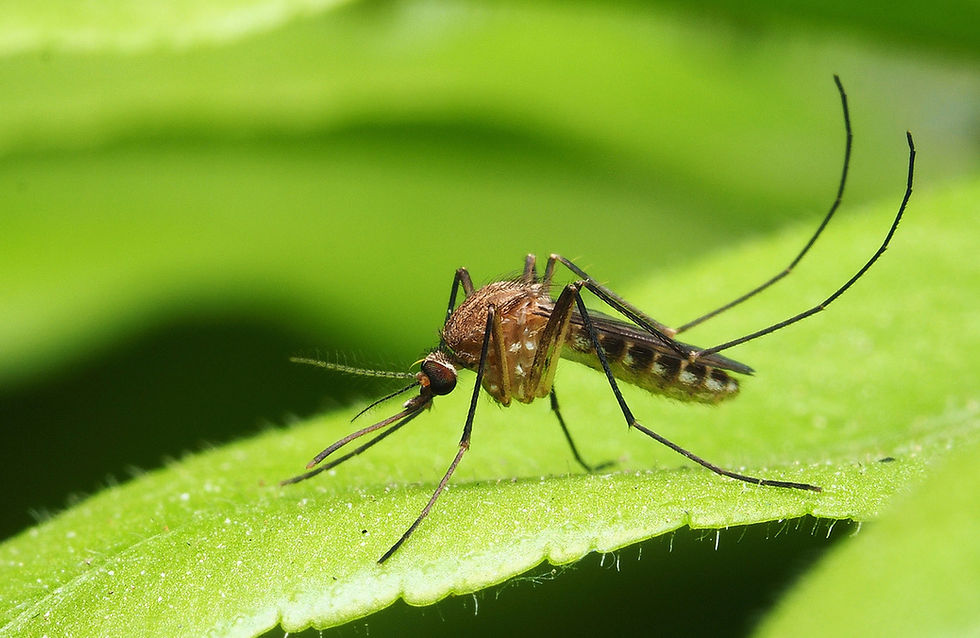
Meanwhile, mosquito eggs are continuing to hatch nearby. New adults emerge, rest in shaded vegetation, mate, and search for another blood meal. The females then return to suitable water to lay more eggs.
The original problem is no longer limited to one container or drain. Mosquitoes begin appearing around the barbecue, near the garage, beside exterior doors, and underneath covered patios.
Each generation adds more activity. What felt like a temporary annoyance becomes a repeating problem every afternoon and evening.
The longer water and resting conditions remain unchanged, the harder it becomes to control the population with occasional treatments.
A Common Summer Scenario Around Rialto Homes
Consider a family living in a Rialto home with a block-wall backyard, a narrow side yard, several potted plants, and an automatic sprinkler system.
They begin noticing mosquito bites near the patio after sunset. The homeowners empty the dog’s water bowl and spray the patio with an aerosol product. Activity drops for a day or two, but the mosquitoes return.
During a closer inspection, water is found inside a shaded sprinkler valve box. A slow irrigation leak has kept the box damp, and leaves inside it have created a protected breeding environment. Adult mosquitoes are also resting in dense plants along the block wall.
The patio was where the family noticed the problem. It was not where the problem started.
This distinction matters. Treating only the place where mosquitoes are biting does not necessarily address the place where they are developing or resting.
How Mosquitoes Move From the Yard Toward the House
Mosquitoes are primarily an exterior pest, but outdoor activity often affects the inside of the home.
They follow people through open doors, enter through damaged window screens, slip through garage doors, and gather near shaded entrances. Homes with sliding patio doors may experience repeated indoor sightings because family members and pets are constantly moving between the house and backyard.
Mosquitoes may also rest inside garages, laundry areas, bathrooms, or rooms near frequently used exterior doors.
Outdoor lighting can increase activity around entrances, while moisture near doorways gives mosquitoes an additional reason to remain close to the structure. Once mosquito pressure builds immediately outside the home, occasional indoor encounters become much more likely.
Mosquito problems in Rialto homes usually start outside and move inward through doors, screens, garages, and other frequently used openings.
Why Store-Bought Sprays Often Produce Temporary Results
DIY mosquito products can kill adult mosquitoes that are directly contacted. The problem is that most sprays do not eliminate every resting mosquito, and they may have little effect on eggs or larvae developing in water.
A homeowner sprays the patio on Saturday and enjoys less activity that evening. By Tuesday, another group of adult mosquitoes has emerged from a nearby breeding source.
Citronella candles, bug zappers, fans, and personal repellents may make a small area more comfortable, but they do not correct the conditions allowing mosquitoes to reproduce.
Randomly spraying the entire yard can also miss the places where adult mosquitoes actually rest. Treating a sun-exposed lawn while ignoring shaded shrubs, fence lines, plant beds, and storage areas is unlikely to produce consistent control.
DIY methods tend to fail when they focus only on mosquitoes that are currently flying. Long-term control requires attention to the mosquito’s complete life cycle.
What Actually Reduces Mosquito Activity Long-Term
Effective mosquito control begins with a detailed exterior inspection. The objective is to identify where water is collecting, where adult mosquitoes are resting, and how conditions around the property are supporting continued activity.
Standing water should be emptied, corrected, circulated, or treated when it cannot be removed. Leaking irrigation components should be repaired. Clogged drains and gutters should be cleared. Dense vegetation may need trimming to improve sunlight and airflow.
Targeted exterior treatment can then be applied to areas mosquitoes use for shelter, such as:
Shaded shrubs and ground cover
Areas beneath plant leaves
Block-wall edges
Patio perimeters
Fence lines
Dark side yards
Around sheds and outdoor storage
Protected areas near garages
Vegetation surrounding doors and windows
Larval control may also be necessary when water cannot be emptied, such as in certain drains, water features, or other approved treatment locations.
The strongest mosquito programs combine source reduction, larval management, adult mosquito treatment, property maintenance, and scheduled follow-up service. One application may reduce active adults, but ongoing prevention helps interrupt the next generation before biting activity rebuilds.
The most effective way to control summer mosquitoes in Rialto is to treat exterior resting areas while eliminating or managing the water sources where new mosquitoes develop.
Don’t Give Mosquitoes the Rest of Your Summer
Mosquito activity can increase quickly once temperatures stay high and breeding water remains available. Waiting until the yard becomes completely unusable gives additional generations time to develop around the property.
If you are seeing more than one mosquito every time you step outside, there are likely more resting or developing where you cannot see them.
TruPest Solutions provides fast service, local mosquito expertise, and affordable pricing for homeowners dealing with summer mosquito activity in Rialto. We inspect the property, look for overlooked moisture sources, identify mosquito resting zones, and develop a treatment approach based on the layout of your yard.
Many homeowners begin noticing a meaningful difference after their first service.
Call TruPest Solutions today at 951-334-5288 to schedule mosquito control before the next wave of activity develops.
Experience That Goes Beyond Spraying the Patio
James, the owner of TruPest Solutions, has 18 years of pest control experience and understands how quickly mosquito behavior changes during an Inland Empire summer.
Real mosquito control requires more than showing up and spraying whichever area has the most complaints. James looks at the entire pattern: where the mosquitoes are biting, where they may be resting during the day, where water is collecting, how irrigation is operating, and how the yard connects to neighboring properties.
For example, heavy activity around a patio may point to dense shrubs a few feet away. Repeated sightings near a garage may lead back to a damp drain, valve box, or shaded side yard. Mosquitoes appearing indoors may indicate high exterior pressure near a sliding door rather than an indoor breeding source.
That kind of field experience helps TruPest Solutions focus treatment where it can make the greatest difference. Our approach is based on the actual behavior of Inland Empire mosquitoes, not a generic treatment performed the same way at every home.
Why Rialto Properties Need a More Detailed Mosquito Strategy
Rialto has a mixture of established neighborhoods, newer housing developments, compact side yards, block-wall properties, mature landscaping, and homes with extensive irrigation systems. Each layout creates different mosquito challenges.
Older properties near central Rialto may have mature trees, aging drains, uneven concrete, and established landscaping that holds moisture in hidden areas. Homes in northern Rialto and neighborhoods closer to the 210 often have landscaped backyards, decorative planters, artificial turf, and narrow spaces between homes where shade and moisture remain longer.
Block walls can reduce airflow along property lines. Side yards may stay shaded for much of the day. Automatic sprinklers can create recurring dampness even when the rest of the yard appears dry. Patio covers and thick hedges offer adult mosquitoes protection from direct sunlight and wind.
Mosquito activity also does not stop at city boundaries. Similar summer conditions affect nearby Fontana and San Bernardino, allowing mosquito pressure to remain high throughout this part of the Inland Empire.
Working with a local Rialto exterminator matters because the treatment should account for the city’s weather, common home layouts, irrigation habits, landscaping, and seasonal pest patterns. TruPest Solutions understands how these local factors work together and how to address them without relying on a one-size-fits-all application.
What Rialto Homeowners Ask When Mosquitoes Won’t Leave
Why do mosquitoes return even after I empty standing water?
Emptying water is an essential step, but adult mosquitoes may already be resting in shrubs, shaded side yards, neighboring vegetation, or other protected locations. There may also be additional water sources that are not immediately visible, such as valve boxes, drains, gutters, or water beneath outdoor equipment.
How can I tell whether mosquitoes are breeding on my property?
Repeated activity in the same section of the yard, mosquitoes appearing during daylight hours, larvae moving in standing water, and increased biting shortly after irrigation are possible warning signs. A professional inspection can help identify breeding conditions that are easy to overlook.
Does seeing mosquitoes inside mean they are reproducing indoors?
Not necessarily. Most indoor mosquitoes enter through open doors, garages, or damaged screens. However, interior water sources such as neglected plant containers or rarely used drains should still be inspected when sightings continue.
What indicates that a mosquito problem is getting worse?
Activity occurring earlier in the day, bites in several areas of the property, mosquitoes gathering near multiple doors, and family members avoiding the yard are all signs that exterior pressure may be increasing.
Can mosquito treatment eliminate every mosquito permanently?
No treatment can prevent every mosquito from entering an outdoor property, especially when surrounding homes and public areas may also support activity. The goal is to significantly reduce the population, interrupt breeding conditions, and maintain control so the yard remains more comfortable.
Take Back the Evenings Mosquitoes Are Stealing
Mosquitoes do not need much water, time, or space to turn a comfortable backyard into an area your family avoids. Once repeated breeding begins, swatting adults and spraying the patio will rarely solve the entire problem.
The key takeaway is simple: controlling mosquitoes in Rialto requires early exterior treatment, careful source removal, and continued attention to the areas where mosquitoes develop and hide.
Do not let another generation emerge while you wait for the problem to disappear on its own. Call TruPest Solutions at 951-334-5288 for fast, affordable, locally informed mosquito control in Rialto, California.


