
Updated: Aug 27, 2025
How to Get Rid of Ants in Your Kitchen for Good
Finding a trail of ants in your kitchen is more than just annoying — it’s a sign that a bigger problem might be brewing. Whether you’re dealing with Argentine ants, odorous house ants, or another persistent species, the key to getting rid of ants is understanding why they’re there and how to treat them the right way.
In this post, we’ll break down what attracts kitchen ants, the best treatment for ants, and how professional ant removal using baits, non-repellents, and IPM (Integrated Pest Management) can wipe out the colony — not just the ones you see.
Why Are Ants Invading My Kitchen?
Your kitchen is like an all-you-can-eat buffet for ants. Crumbs, spills, pet food, and even the moisture under your sink attract them. Argentine ants and odorous ants are two of the most common invaders in homes across Southern California — especially during the warmer months.
These ants leave pheromone trails to lead the rest of the colony straight to food and water. That’s why simply spraying them with store-bought products only makes the problem worse. Many over-the-counter sprays are repellents, which scatter the ants and cause them to form new colonies nearby. You don’t want to chase them around — you want to get rid of ants completely.
What Actually Works for Ant Extermination?
The most effective approach for ant extermination is one that targets the colony itself — not just the ants you see.
Here’s how we handle ant removalInspection
We identify the ant species, locate entry points, and determine where the trails lead.Targeted Ant Bait Placement
Using professional-grade ant bait, we draw ants to carry the poison back to the colony. This bait works slowly, allowing the foragers to share it with the queen and other ants before they die off.Non-Repellent Treatment for Ants
Unlike store sprays, our non-repellent treatments are undetectable by ants. They walk right through the treated zones and transfer it to others, wiping out the colony without scattering them.Integrated Pest Management (IPM)
We don’t just treat — we solve. Our IPM approach includes sealing cracks, advising on food storage, and helping reduce attractants so ants don’t come back.
Common Ants in Your Kitchen
Argentine Ants
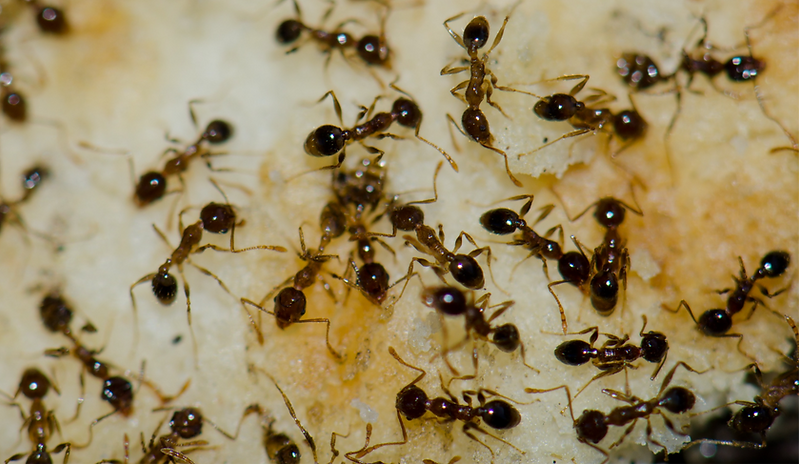
These tiny brown ants are aggressive colonizers and love moisture. They’re known for creating supercolonies that can number in the millions. DIY methods rarely work against them.
Odorous House Ants
When crushed, these ants smell like rotten coconut (hence the name). They’re drawn to sweet foods and can nest inside walls, under floors, or behind cabinets.
Both types respond best to a combination of non-repellents, baits, and IPM strategies.
Can I Get Rid of Ants On My Own?
You might be able to kill a few ants with sprays or traps, but getting rid of ants long-term almost always requires professional help — especially with Argentine ants. Without the right approach, they’ll just keep coming back.
DIY methods often miss the hidden colonies, and using repellents may actually make your infestation worse. That’s why it’s important to use a science-backed plan like we offer at TruPest Solutions — combining ant bait, targeted treatment for ants, and proper ant extermination techniques.
Final Thoughts
Your kitchen should be for cooking and gathering — not an ant highway.
If you’re seeing trails of ants on your counters, near your sink, or around your pet’s food bowl, don’t wait. The sooner you address the problem, the easier it is to stop the infestation from spreading.
Let TruPest Solutions help with expert ant-removal using proven baits, non-repellents, and an IPM approach that keeps your home protected.