
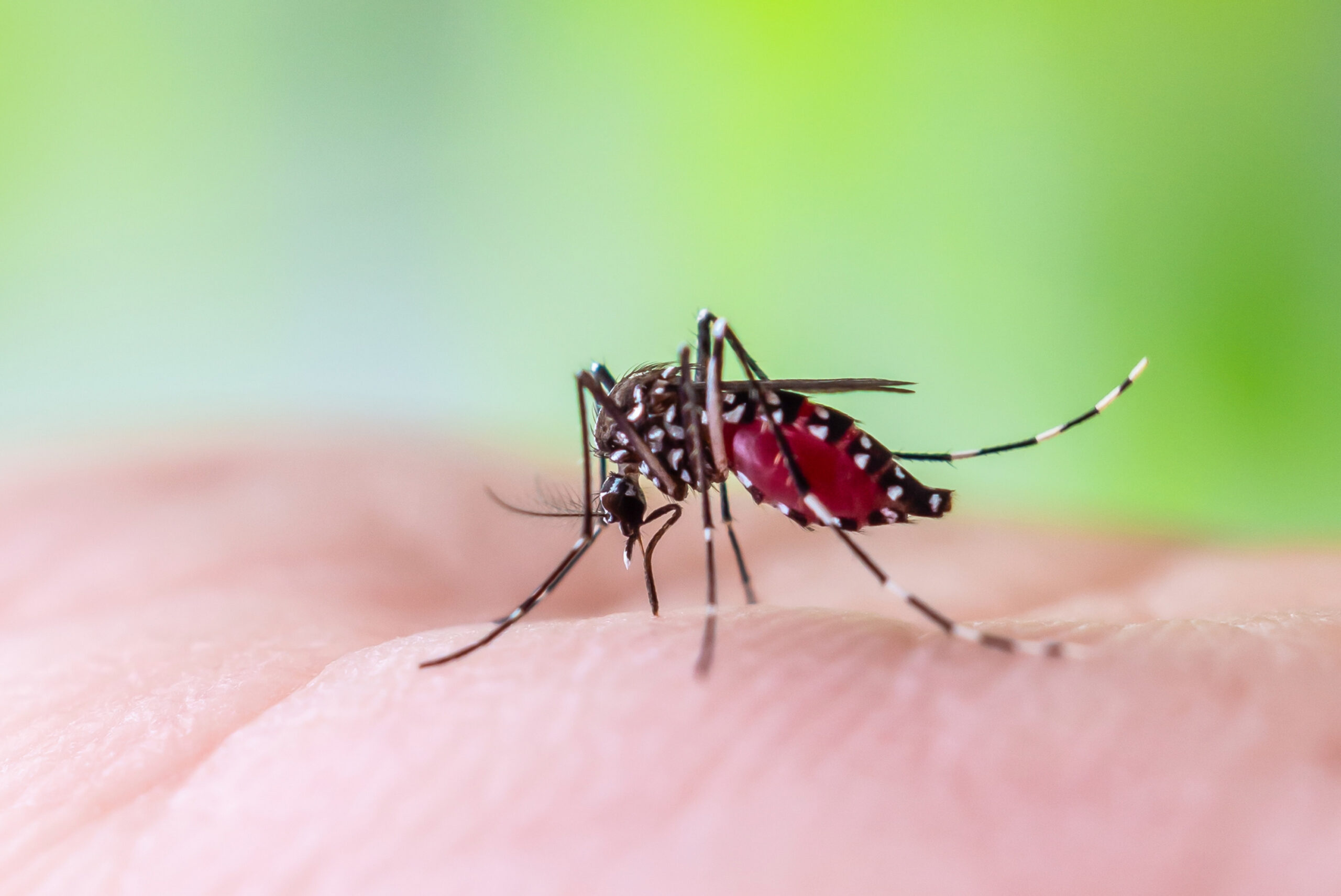
Rain brings out mosquitoes in San Bernardino because it leaves small pockets of standing water where mosquitoes can reproduce. The problem often starts outside in clogged gutters, plant saucers, buckets, drains, toys, tarps, and low spots around the yard. Getting rid of mosquitoes requires more than spraying the adults you see it means removing or treating breeding water, reducing resting areas, and controlling adult mosquitoes around the property before another generation develops.
What Are Mosquitoes?
Mosquitoes are small flying insects that depend on water for their early life stages. Female mosquitoes lay eggs in or near water, and after rain creates the right conditions, those eggs can develop into the mosquitoes homeowners begin noticing around patios, doors, yards, and eventually inside the house.
Rain Doesn’t Create Mosquitoes It Gives Them What They Were Waiting For
San Bernardino can go through long stretches of dry weather where mosquito activity seems manageable. Then a rainstorm moves through, water collects around the property, temperatures warm back up, and suddenly sitting outside becomes a completely different experience.
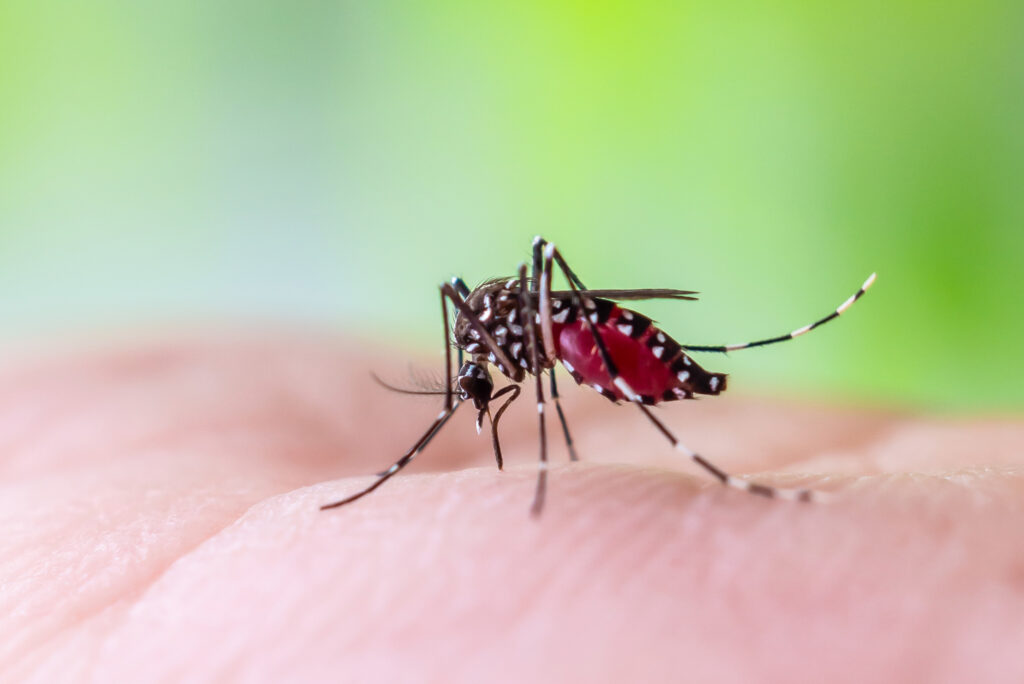
Homeowners sometimes assume mosquitoes simply flew into the neighborhood because of the storm.
Usually, the explanation is much closer to home.
surprisingly small amount of water can become useful breeding habitat. It does not have to be a swimming pool or a large puddle. Water trapped inside a flowerpot saucer, children’s toy, overturned trash-can lid, clogged roof gutter, unused bucket, wheelbarrow, landscape drain, or folded tarp can be enough to contribute to mosquito activity.
Mosquitoes show up in San Bernardino after rain because water collects in protected areas around homes, which leads to new breeding sites and increased mosquito activity.
The frustrating part is that most of these water sources are easy to overlook.
The Backyard Spots Most Homeowners Never Check
Walk through a San Bernardino yard after a storm and the obvious puddles may disappear quickly. The hidden water is a different story.
Along a block wall, one shaded depression may remain damp longer than the rest of the yard. A side yard might have poor drainage. Water can sit beneath a leaking hose connection, inside a decorative planter, or at the bottom of a container that has been forgotten behind the garage.
Then there are roof gutters that haven’t drained completely, patio furniture collecting water in hollow sections, outdoor storage bins with partially open lids, birdbaths, pet bowls, fountains, unused equipment, and drainage areas surrounded by thick vegetation.
While larvae develop in water, adult mosquitoes frequently rest nearby in cooler, shaded places such as:
Dense shrubs and hedges
Ivy and ground cover
Beneath patio furniture
Around covered porches
Along shaded block walls
Inside open garages
Under decks and exterior stairways
Around damp side yards
That combination water for reproduction and shade for adult mosquitoes is what can turn a relatively quiet yard into a mosquito problem.
How One Rainstorm Can Turn Into Weeks of Bites
This is where mosquito problems often catch homeowners off guard.
The rain stops.
The sun comes back.
The driveway dries.
So it seems like the mosquito problem should disappear too.
But mosquitoes aren’t depending on the driveway. They’re taking advantage of the places where water stayed behind.
A few overlooked breeding areas can continue producing mosquitoes even though the yard looks dry at first glance. If new water is added through irrigation, sprinklers, landscape runoff, or another rain event, the conditions can continue.
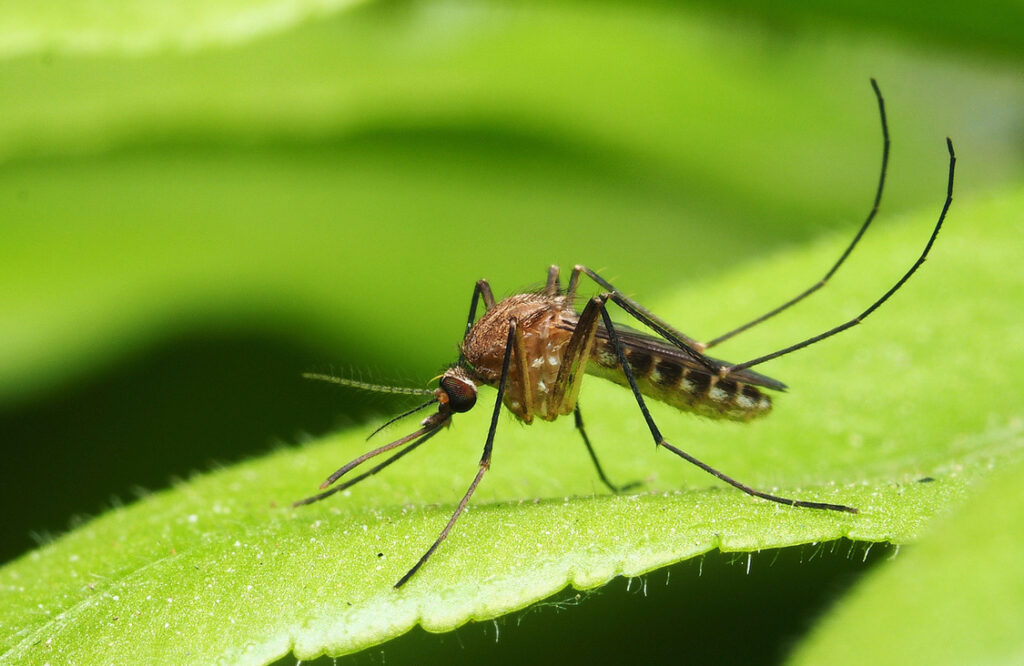
Mosquito problems in San Bernardino homes usually begin with outdoor breeding and resting areas around the property.
Standing water after rain can allow mosquito populations to increase even when the rest of the yard appears completely dry.
Controlling adult mosquitoes without addressing breeding water leaves the source of the problem in place.
A Familiar San Bernardino Scenario
Imagine a homeowner gets some rain over the weekend.
By Monday, everything looks normal.
A few days later, they walk into the backyard around sunset and get bitten twice near the patio. They dump out a small plant saucer and figure the problem is handled.
Then mosquitoes start showing up near the sliding door.
A few days after that, someone gets bitten while taking the trash out along the side of the house. Now they’re noticing mosquitoes near the garage and around the front entry too.
You start seeing them in multiple areas instead of just one corner of the yard.
That’s when you realize it’s not just one mosquito passing through.
There is probably something around the property allowing the activity to continue.
Maybe it is drainage near the side yard. Maybe several containers are holding rainwater. Maybe vegetation beside the block wall is providing a shaded resting zone. Often, there isn’t one dramatic source there are several small conditions working together.
How Outdoor Mosquito Activity Becomes an Indoor Problem
Most mosquito problems start outside, but that doesn’t mean they stay there.
Mosquitoes can enter when doors are opened, through damaged screens, around poorly sealed screen doors, or through garages that stay open during the evening.
Exterior activity matters because the more mosquitoes gathering close to the structure, the more opportunities they have to get inside.
Patio doors are especially common trouble spots because they connect indoor living spaces directly to shaded outdoor areas. Entry doors near shrubs, planters, or irrigation can have the same problem.
Once inside, mosquitoes may rest on walls, ceilings, curtains, beneath furniture, or in darker rooms until they become active again.
This is why swatting the mosquito in the bedroom doesn’t necessarily solve the actual problem.
The source may still be producing activity ten feet outside the house.
Why Mosquitoes Can Get Worse So Quickly
Mosquito activity rarely announces itself with one enormous breeding area.
Instead, the problem can build quietly.
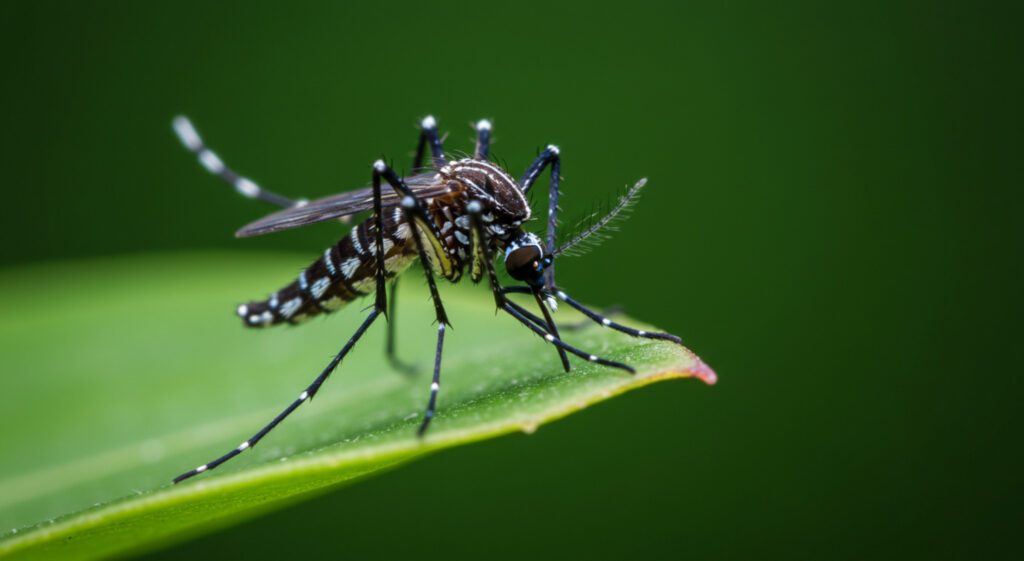
One container holds rainwater.
A gutter isn’t draining.
A shaded section of the yard stays wet.
Irrigation keeps adding moisture.
Vegetation provides protection during the hottest part of the day.
Then another round of mosquitoes develops.
Over time, you’re no longer dealing with an occasional mosquito. You’re avoiding certain areas of the yard, getting bitten while working outside, and finding mosquitoes closer to doors and windows.
That escalation is the reason early mosquito control matters.
Waiting until mosquitoes are everywhere around the property means you’re now trying to manage both the adults you see and the environmental conditions that allowed the population to grow.
Why Store-Bought Mosquito Spray Usually Isn’t Enough
Aerosol sprays and backyard foggers can kill some adult mosquitoes they contact.
That can create temporary relief.
The problem is what happens afterward.
If larvae are still developing in standing water, spraying flying mosquitoes doesn’t eliminate that next generation. And if shaded vegetation continues providing resting areas, new adults can return to the same protected parts of the property.
This creates the cycle homeowners often describe:
Spray.
Activity drops.
A few days later, mosquitoes are back.
Spray again.
They return again.
The product may be killing mosquitoes. It simply isn’t correcting everything supporting the infestation.
For homeowners researching how to get rid of mosquitoes in the Inland Empire, the important distinction is between temporarily reducing adult activity and actually interrupting the mosquito life cycle around the property.
What Actually Helps Control Mosquitoes Long-Term?
Effective mosquito control starts with finding out where the activity is coming from.
That means inspecting the property for standing water and moisture conditions instead of treating every yard exactly the same.
Containers should be emptied or corrected when practical. Gutters and drainage areas should be checked. Water-holding items should be identified. Irrigation issues deserve attention. Areas of heavy shade and vegetation where adult mosquitoes rest need to be considered as well.
Professional mosquito control can then target the areas where adult mosquitoes are spending time while breeding sites are eliminated or treated appropriately.
In some situations, larval control is important because stopping mosquitoes before they become flying adults reduces the population at a completely different stage of its life cycle.
The strongest approach combines source reduction, breeding-site management, targeted exterior treatment, and continued monitoring.
That is very different from walking outside and spraying wherever a mosquito happens to fly past.
Don’t Give the Next Generation Time to Develop
If mosquito activity noticeably increases after rain, this is a good time to act rather than waiting for the next warm week to make the problem worse.
TruPest Solutions provides fast service, local expertise, and affordable pricing for homeowners dealing with mosquito activity in San Bernardino and surrounding Inland Empire communities.
If you’re seeing mosquitoes in more than one area of your property, there’s likely more activity you’re not seeing.
Our goal is to determine why they’re active around your home and target the conditions helping them remain there not just chase the mosquitoes flying around your patio.
Many homeowners notice a noticeable difference after their first service.
For mosquito control in San Bernardino, call TruPest Solutions at 951-334-5288.
What 18+ Years in Pest Control Teaches You About Mosquitoes
James, owner of TruPest Solutions, has over 18 years of hands-on pest-control experience, and mosquito problems are a good example of why experience in the field matters.
Two neighboring houses can have completely different levels of mosquito activity.
One property may have an irrigation issue hidden behind shrubs. Another may have several tiny water-holding containers. Another could have dense vegetation along a shaded block wall where adult mosquitoes spend much of the day.
Looking only at the mosquitoes flying around doesn’t tell you the whole story.
James’ approach is based on understanding the pattern: where mosquitoes can reproduce, where adults are resting, what is keeping the property attractive to them, and how those conditions relate to the surrounding Inland Empire environment.
Mosquito control works better when the treatment is based on what is actually happening around the property instead of applying the exact same approach to every house.
Why San Bernardino Properties Can Be Perfect Mosquito Habitat After Rain
San Bernardino’s combination of warm temperatures, stretches of dry weather, residential irrigation, mature landscaping, and occasional rain can create a frustrating mosquito pattern.
Rain temporarily adds water to places that normally stay dry.
That becomes especially important around homes with block-wall side yards, older drainage systems, large shrubs, covered patios, decorative planters, mature landscaping, and narrow spaces between neighboring properties.
A front yard may dry rapidly in direct sun while a north-facing side yard stays shaded and damp much longer.
Properties near foothill areas can have different drainage and vegetation conditions from homes in flatter parts of the city. Older neighborhoods may also have mature trees and dense landscaping that provide considerably more shade than newer developments.
Even neighboring Fontana properties can experience similar issues because the broader Inland Empire climate creates many of the same mosquito-friendly conditions.
That is why effective pest control in San Bernardino, CA should account for the property itself not merely the insect.
A knowledgeable San Bernardino exterminator should be looking at the environment supporting the mosquitoes as closely as the mosquitoes themselves.
Questions San Bernardino Homeowners Ask After the Rain
Why do mosquitoes sometimes appear several days after the rain instead of immediately?
Rain creates or fills potential breeding sites, but mosquito development takes time. Depending on the species and weather conditions, homeowners may notice increased activity after the storm rather than while it is actually raining.
My yard looks dry. Why am I still getting mosquitoes?
The visible parts of the yard can be completely dry while water remains inside gutters, containers, drains, planters, equipment, or shaded low spots. Adult mosquitoes can also remain around vegetation and other protected resting areas after standing water has disappeared.
Why do mosquitoes keep returning to the same side of my house?
That area may provide a combination of shade, vegetation, moisture, poor air movement, or nearby water. Repeated activity in one area is often a clue that something about that portion of the property is favorable to mosquitoes.
Does finding mosquitoes inside mean they’re breeding in my house?
Not necessarily. In many residential situations, mosquitoes enter from outdoor areas through open doors, garages, or damaged screens. However, persistent indoor activity should prompt an inspection for possible water sources and entry points.
How can I tell if my mosquito problem is getting worse?
Getting bitten in several areas of the property, noticing mosquitoes earlier in the day, finding them around multiple doors, or regularly seeing them indoors can all indicate that activity around the property is increasing rather than being limited to an occasional mosquito.
After the Storm Is When Mosquito Control Really Matters
The rain may only last a day, but the mosquito conditions it leaves behind can continue much longer.
What begins as water sitting in a forgotten container or a damp corner of the side yard can eventually become repeated mosquito activity around patios, garages, entryways, and indoor living spaces.
Don’t judge the problem only by how many mosquitoes you can see at one moment. Look at the conditions allowing them to keep showing up.
The most effective way to control mosquitoes in San Bernardino is to address outdoor breeding sources early and target the areas where adult mosquitoes are resting before the population has a chance to grow.
If mosquitoes are already making your yard uncomfortable after the rain, don’t give another generation time to develop.
Call TruPest Solutions at 951-334-5288 for fast, affordable mosquito control backed by real local experience in San Bernardino and the Inland Empire.